Why ASML High-NA EUV Lithography Is the Ultimate Bottleneck in the 2026 AI Chip War
Analyzing the optical physics, multi-billion-dollar supply chains, and sovereign export restrictions governing the world's most critical semiconductor equipment. #Semiconductors #ASML #Nvidia #TSMC #ChipWar
Explore why ASML High-NA EUV machines are the single biggest bottleneck in the global AI chip race. Technical challenges, 2nm chips, and geopolitical moats.
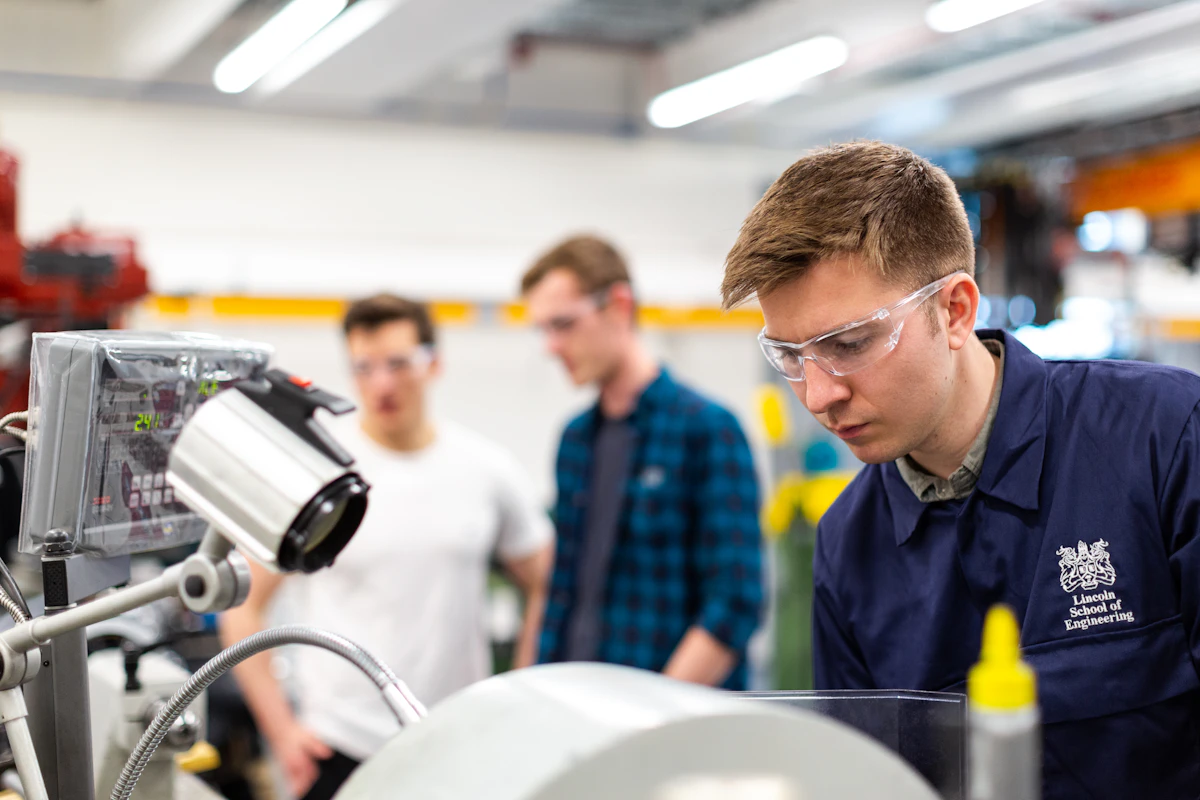
While retail investors and headlines relentlessly fixate on Nvidia's quarterly earnings and TSMC's fabrication capacity, semiconductor veterans understand an undeniable truth: **neither Nvidia, AMD, nor Apple can produce a single next-generation 2nm AI accelerator without one Dutch company: ASML**. Operating with a 100% monopoly on extreme ultraviolet (EUV) lithography, ASML represents the ultimate choke point in global computing supremacy.
Semiconductor Geopolitics Report1. What Makes High-NA EUV So Revolutionary?
Standard EUV lithography utilizes 13.5nm wavelength light with a numerical aperture (NA) of 0.33. ASML's latest High-NA systems increase this optical metric to 0.55—allowing chipmakers to print circuit features as minuscule as 8 nanometers in a single exposure. This eliminates expensive and defect-prone multi-patterning steps, driving higher wafer yields for cutting-edge AI silicon like Nvidia Blackwell Ultra and Rubin architectures.
Advanced Optical Engineering Journal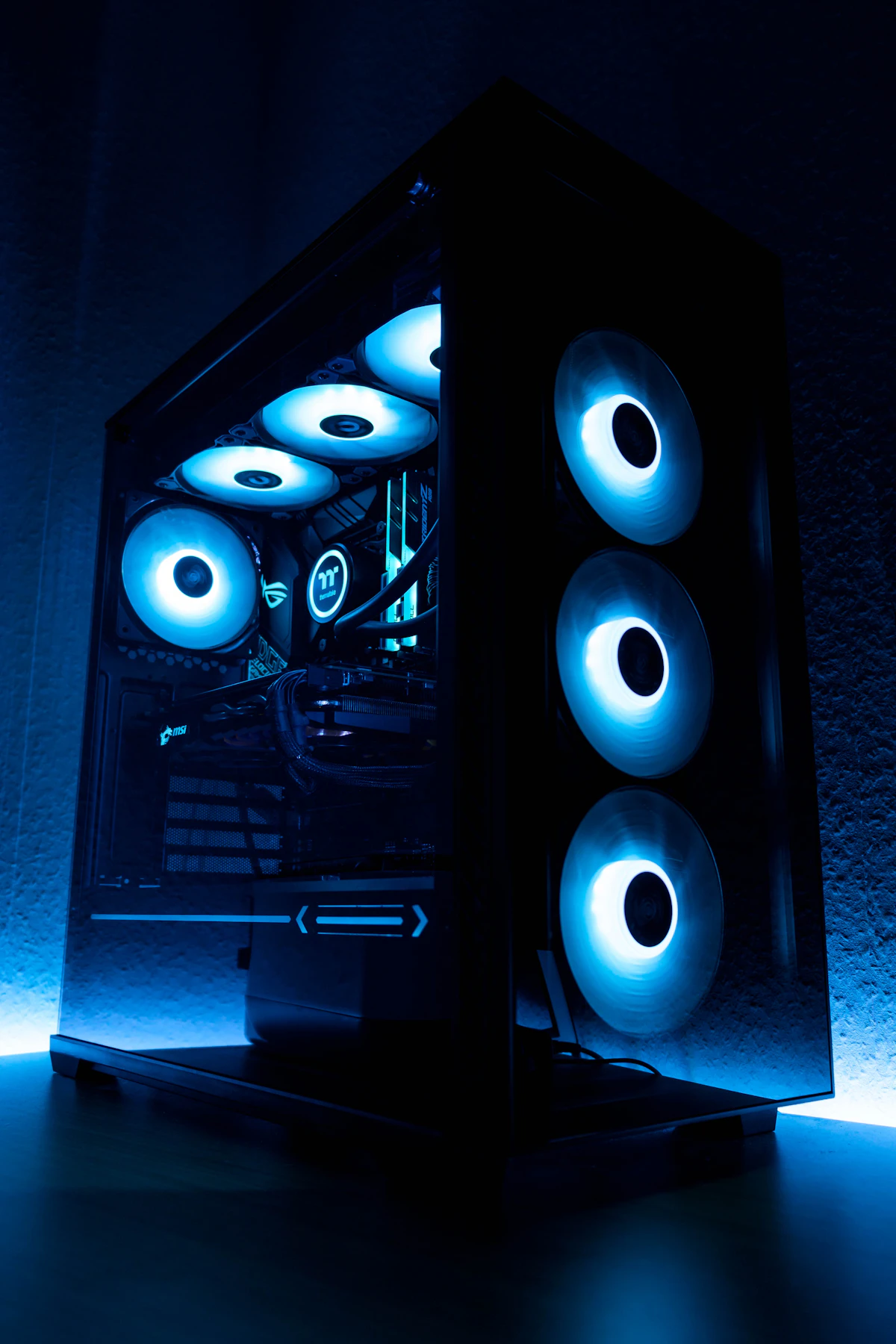
2. Production Bottlenecks & The $380M Machine
- • **Astronomical Cost:** A single ASML High-NA EUV machine (Twinscan EXE:5000/5200) costs over $380 million.
- • **Assembly Complexity:** Each machine requires 3 Boeing 747 cargo planes to ship and takes up to 6 months for cleanroom assembly and calibration.
- • **Extreme Delivery Lead Times:** With only a handful of units manufactured annually, TSMC, Intel, and Samsung are locked in multi-year allocation battles.
- • **Geopolitical Sanctions:** Dutch and US export curbs completely bar ASML from shipping advanced EUV tools to China, accelerating sovereign research.

Frequently Asked Questions
Replicating ASML's High-NA ecosystem requires specialized Zeiss optics, laser-pulsed tin droplet plasma sources from Cymer, and over 30 years of proprietary software algorithms. Industry consensus affirms that no domestic or foreign competitor can achieve commercial High-NA EUV yields before the end of the decade.
Key Themes & Trending Search Queries
- • **Target Keywords:** ASML High-NA EUV • AI chip bottleneck 2026 • TSMC 2nm fabrication • Semiconductor lithography guide • Nvidia supply constraints
- • **Trending Hashtags:** #ASML #Semiconductors #Nvidia #TSMC #ChipWar #Hardware #AIHardware
Strategic Outlook for the Hardware Industry
Conclusion
As artificial intelligence models scale their training clusters, physical silicon constraints will dictate the timeline of AI capability. Watching ASML's delivery schedules and High-NA adoption curves provides the single most reliable roadmap for where enterprise computing is heading in 2026 and beyond.
Share this article: