How Sellers Play With Your Mind to Sell You Anything (Real LIfe Example)
Ever bought something you didn't even plan to buy? This is not luck, this is a trick. Read the real story of Saad and see exactly how a salesman controlled his mind, step by step.
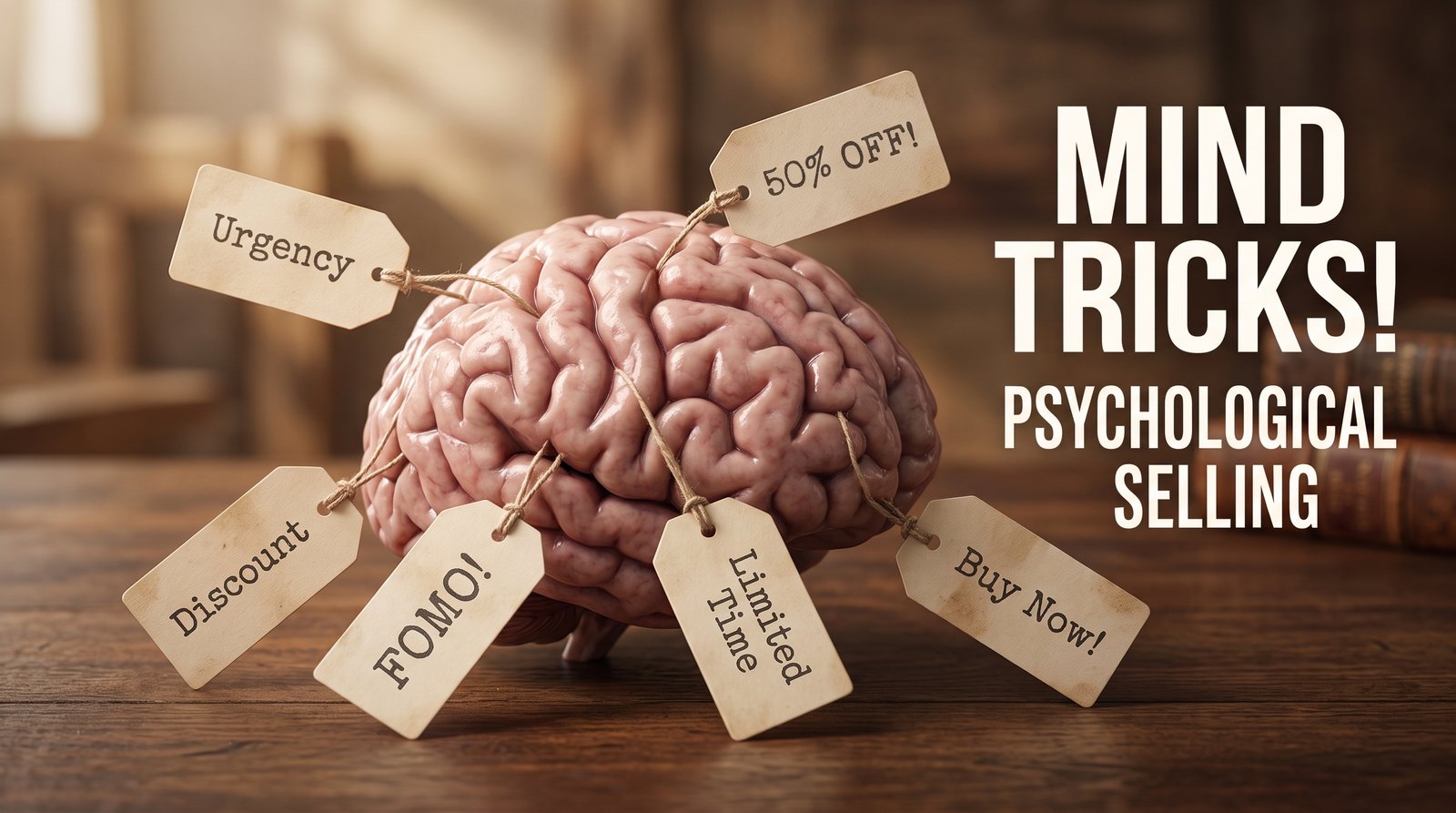
You think you are in control when you shop, but most of the time, someone else is quietly controlling your decision.
If you want to know how sellers actually play with your mind read this article full
Read This with real life Story(only Visuals are Ai Generated)
Saad went to a mall last month, just to look around. He didn't plan to buy anything big. But two hours later, he walked out with a jacket he never even thought he needed, paid on installment, feeling happy about his decision. What happened in those two hours is not luck, and it is not magic either. It is simple psychology that sellers use every single day, and once you understand it, you will notice it everywhere.
Our Number 1 Trick is Scarcity
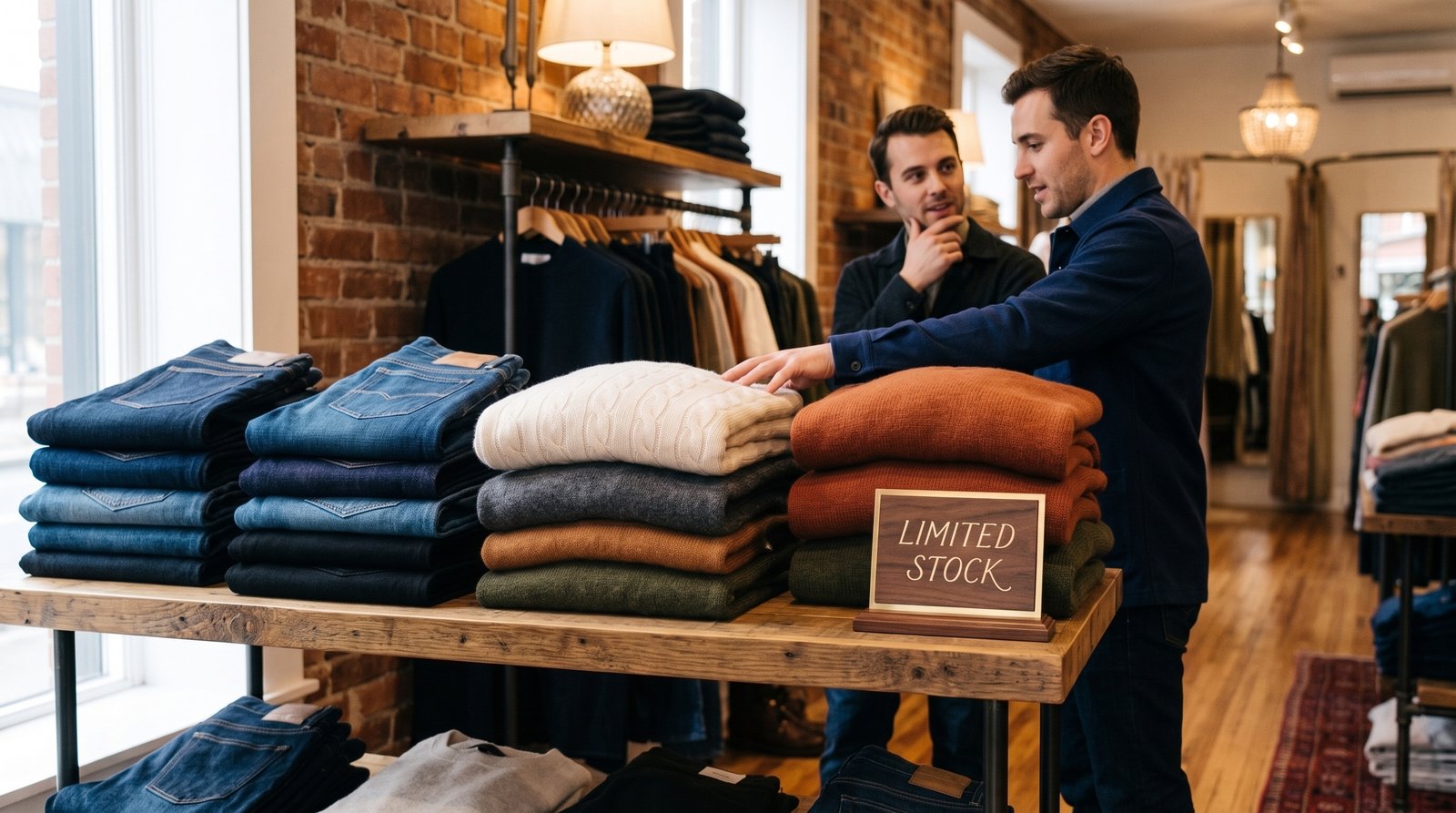
Saad was just looking at a jacket, not planning to buy it that day. The salesman noticed him touching the fabric twice, and immediately said "Sir, this design, only two piece left in your size." Saad didn't even ask about stock, but suddenly the jacket felt more valuable.
This is called scarcity. When something feels limited, our brain values it more, even if the actual stock has ten more pieces in the back room. Stores use this trick everywhere, not just with salesmen, but with website timers, "limited stock" labels and "sale ends today" banners too.
- Limited stock feeling makes an item look more valuable.
- Our brain fear missing out more than it enjoys gaining.
- This trick works even when we know it might be exaggerated.
Our Number 2 Trick is Anchoring
Before showing Saad the jacket he liked, the salesman first showed him a leather jacket for 15,000 rupees. Saad said it was too expensive. Then the salesman brought the original jacket Saad wanted, priced at 6,000 rupees.
Suddenly 6,000 felt cheap, even reasonable, compared to what he saw first. This is anchoring. Your brain doesn't judge a price alone, it judges a price compared to whatever number it saw right before. Smart sellers always show the expensive option first, so everything after it feels like a good deal.
- The first price you see becomes your reference point.
Every price after that gets compared to this first number.
- This is why expensive items are often shown before cheaper ones.
Our Number 3 Trick is Social Proof
Saad was still thinking, still not fully sure. The salesman said "Sir, this is our most selling design this month, everyone is buying this one." Saad looked around and saw two other customers also holding the same design.
This is social proof. When we see other people choosing something, we naturally feel it must be a good decision, so we relax our own doubt. This trick works in stores, and it works online too, in the form of reviews, ratings and "bestseller" tags.
- People trust a crowd's choice more than their own single judgment.
- Seeing others buy the same item reduces our own hesitation.
- This is why "bestseller" labels are used so often in shops and online stores.
Our Number 4 Trick is Removing the Budget Excuse
Saad finally said the real problem, "It's a good jacket, but right now I don't have full budget for it." A normal seller might lose the sale here. But this salesman was ready.
He said "No problem sir, you can take it on easy installment, just small amount every month." The budget objection disappeared in one sentence. This trick works because sellers know that price is rarely the real reason people say no, they just need the payment to feel smaller and easier.
- Installment options remove the biggest reason for saying no.
- A big price feels smaller when broken into small monthly parts.
- This trick turns a "no" into a "yes" without even changing the total price.

Our Number 5 Trick is Offering a Backup Option
At one point, Saad said the color wasn't fully what he wanted. Instead of pushing the same jacket, the salesman immediately said "No problem, we have this design too, same price, different shade." He brought a second option before Saad could even think about leaving.
This is a simple but powerful trick. Good sellers never let one single objection close the whole sale. They always keep a second option ready, so the customer stays in the buying mindset instead of walking away completely.
- A second option keeps the customer engaged instead of leaving empty handed.
- This shows sellers plan for objections before they even happen.
- Giving a choice feels better to the customer than being pushed into one item.
Our Number 6 Trick is Hitting the Real Pain Point
Saad was still a little unsure, standing near the counter, almost ready to leave. The salesman said one final line, "Sir, winter is coming fast, and good quality jackets like this finish quickly every year, then people search everywhere and don't find their size."
That line hit something real, Saad's actual fear of being cold and not having anything ready. He paid for the jacket on installment right after that sentence. This is the strongest trick of all, because it doesn't sell a product, it sells a solution to a real fear or need the customer already has.
- The final push often targets an emotion, not the product feature.
- A real fear or need is more powerful than any price discount.
- This is usually the exact sentence that closes the sale.
Conclusion
Saad walked out of the mall with his new jacket, feeling good about his choice, not even realizing how many small moments had been guided by someone else. Scarcity, anchoring, social proof, easy installment, backup options and one final emotional push, all six tricks worked together in less than two hours. None of this means sellers are doing something wrong, this is simply how selling works. But once you notice these tricks, you shop with more control, and that is the real point of this article. Keep learning with us.
Share this article: