Why Fuel Prices Increase During Iran US War (Simple Explanation 2026)
Wondering why petrol and fuel prices are rising because of Iran US war? Read this simple guide to understand the real reason behind rising fuel prices.
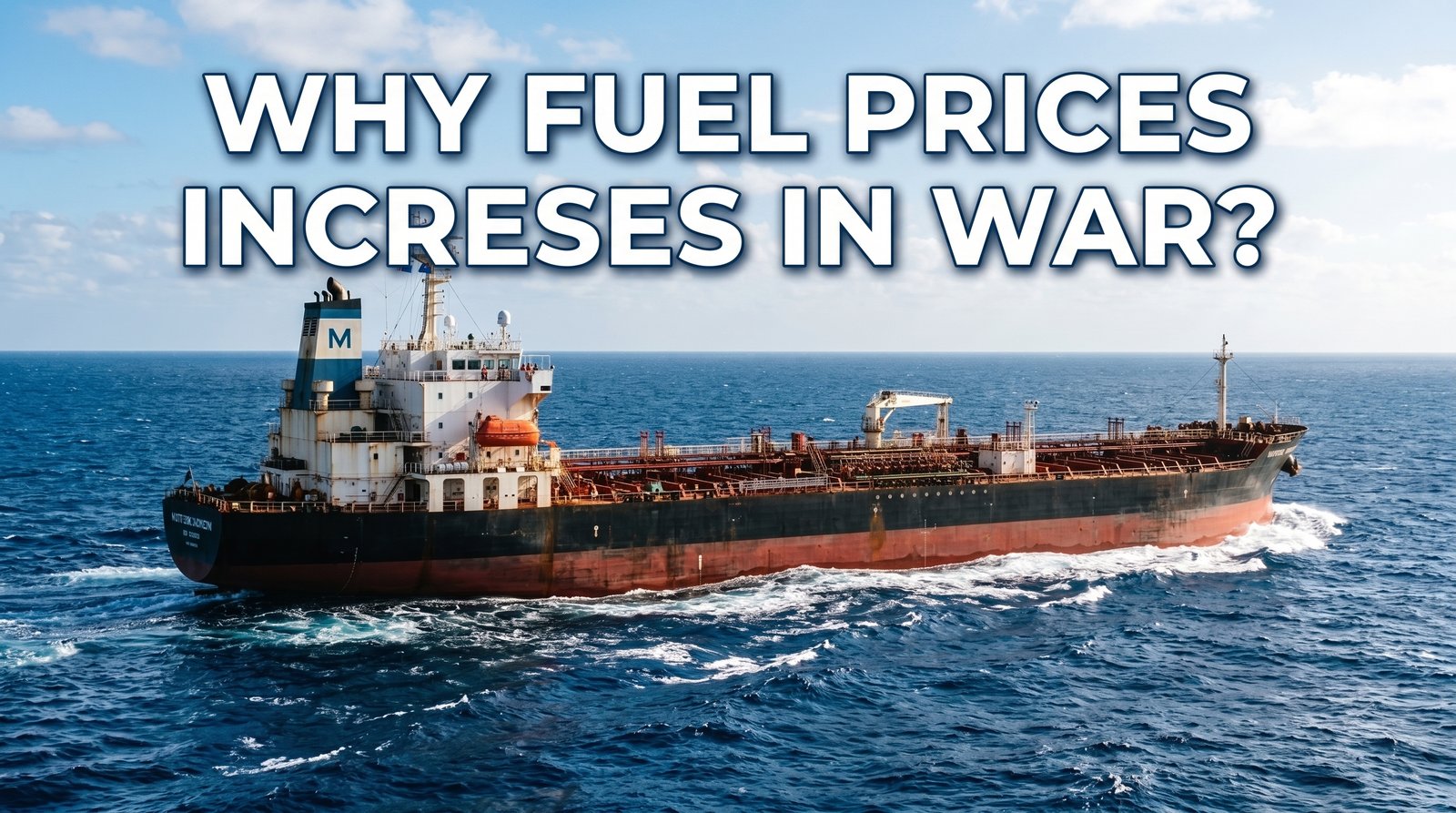
Every person is asking one question these days "Why fuel price is increasing again?"
Most people just blame their own government for this, but the real reason is bigger than that. When a war happen in a region like Middle East, it directly hit the oil supply of whole world, and that is why fuel become expensive not just in one country but almost everywhere. In this article we explain, in very simple words, how a war between two countries can change the price you pay at your local petrol pump.
So read this article full:
Our Number 1 Step is Understanding the Strait of Hormuz
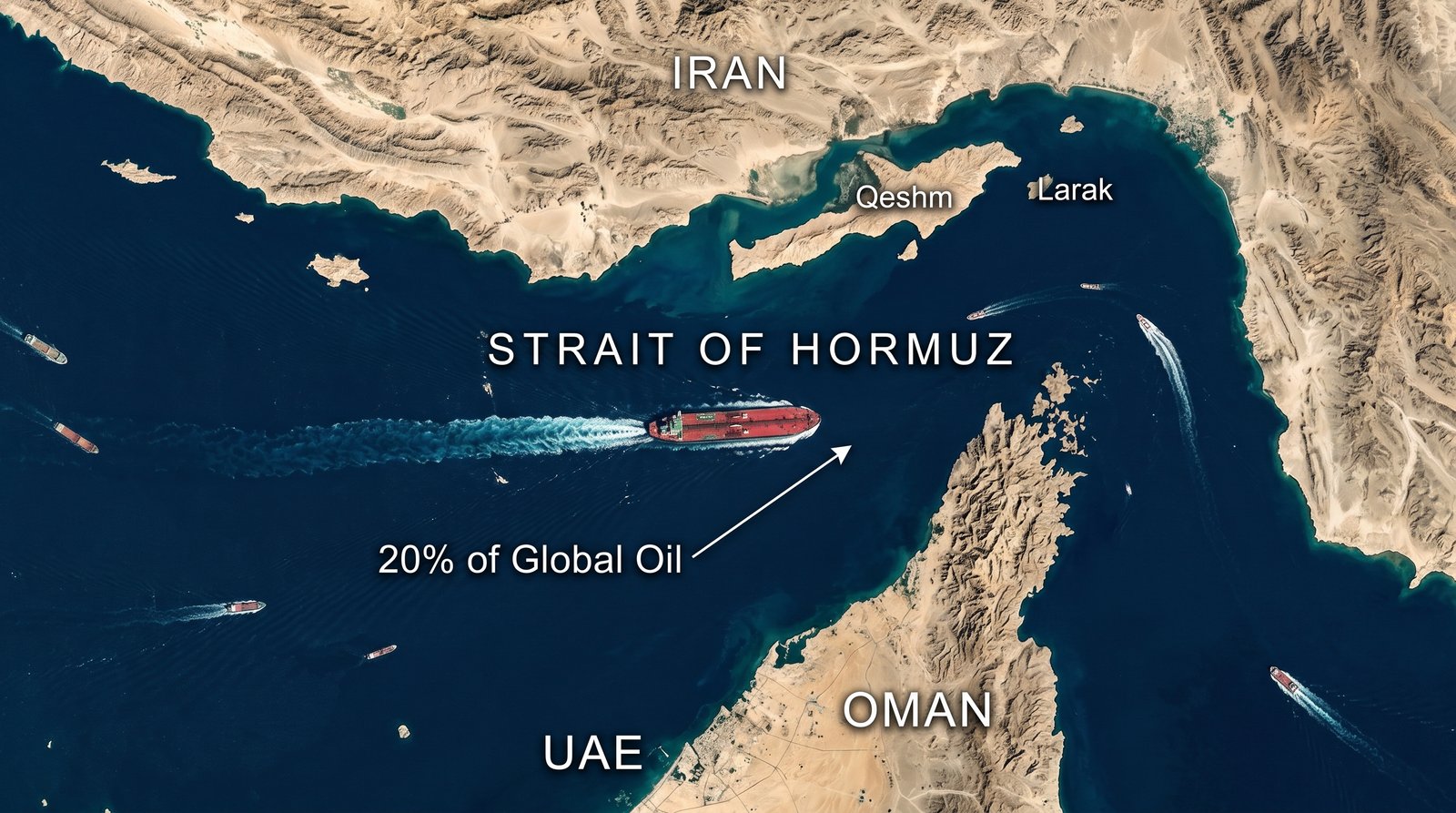
Before understanding fuel price, you must know one place called Strait of Hormuz. This is a small sea path between Iran and other Gulf countries, and almost 20 percent of world's oil pass through this single route every day.
Think of it like a single road that connect a big factory to the whole city. If this road get blocked even for few days, whole city will feel the shortage. Strait of Hormuz work exactly like that for oil supply, and this is why any tension near this area worry the whole world.
- Strait of Hormuz is a small sea route near Iran.
- A very large part of world's oil pass through this route daily.
- Any block or danger here effect oil supply globally.
- This single place is called the most important oil route in the world.
Our Number 2 Step is How War Disrupts Oil Supply
When a war continue in this region, oil companies and ship owners become scared to send their ships through that path. Some ships get attacked directly, and some just avoid this area for safety, even if it means taking a longer and more expensive route.
This create a supply problem. When supply become low but demand for oil stay same, price naturally go up. This is a basic rule of market, not something a single government control. Even country who is not directly part of the war still feel this price change, because oil market is connected worldwide.
- War make ships scared to pass through dangerous routes.
- Some ships take longer routes, which cost more money.
- Low supply with same demand always increase price.
- This effect reach every country, not just the ones fighting.
Our Number 3 Step is How This Effect Your Local Fuel Price
Many people think "I am not in Middle East so why my fuel price change?" But oil market don't work like local shops, it work like one big connected system across the whole world.
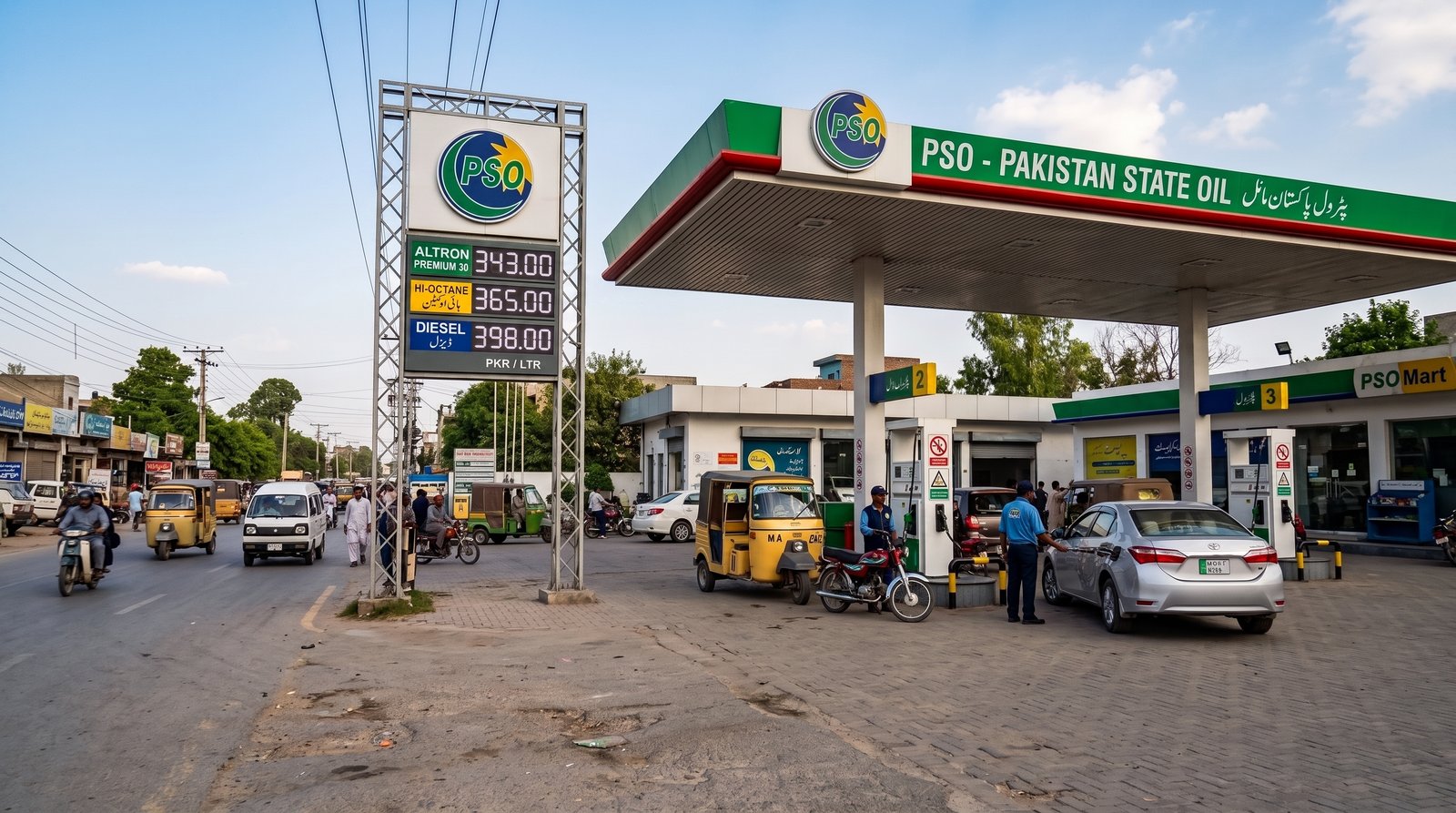
Countries like Pakistan import most of their oil from outside. When international oil price increase, the cost to bring that oil into the country also increase. This cost pass down step by step, from import price, to local distributor, and finally to the pump you visit for fuel. So even a war thousands of kilometers away can increase the price you pay at your nearest petrol pump.
- Countries importing oil feel price change fastest.
- Rising international price increase local import cost.
- This cost move down to distributors and then to pumps.
- Distance from the war doesn't protect you from price effect.
Our Number 4 Step is "Is This Increase Temporary or Long Term?"
This is the question most people actually want answered. The honest answer is, it depend on how long the war continue and how much damage happen to oil infrastructure and shipping routes.
Short conflicts usually cause a quick price spike that slowly come back down once tension reduce. But if war continue for long time, or if it directly damage oil production and export facilities, the price increase can stay for much longer. This is why experts always say "watch the situation" instead of giving one fixed answer, because oil price react directly to how the conflict develop.
- Short term conflicts usually give short term price spikes.
- Long conflicts can create long term price problems.
- Damage to oil facilities makes recovery slower.
- Prices usually reflect how serious and long the tension is.
Our Number 5 Step is What You Can Do During High Fuel Prices
You cannot control international war or oil market, but you can control how you respond to rising fuel cost in your own daily life. Small smart habits can reduce the pressure on your monthly budget during this time.
Try to combine your errands in one trip instead of multiple short trips. Keep your vehicle well maintained, because a poorly maintained vehicle use more fuel. If possible, use public transport for some days in a week. These small changes don't fix the global problem, but they help protect your own pocket while the situation settle down.
- Combine multiple errands into fewer trips.
- Keep your vehicle maintained for better fuel efficiency.
- Use public transport when possible to save cost.
- Stay updated on the situation instead of guessing.
Note: This article explains the general reason behind fuel price increase, it is not financial or investment advice. Always check updated news and expert opinion before making any big financial decision.
Conclusion
The conclusion of this article is that fuel price is not just a local issue, it is connected to global events happening far away, like the Iran war. Understanding the real reason behind price increase, like the Strait of Hormuz and disrupted oil supply, help you make sense of the news instead of just feeling confused. While you cannot control the war itself, small daily habits can still help you manage your fuel cost better during uncertain times. Keep learning with us.
Share this article: